
Understanding the Balance of Luck and Skill
In the world of gambling, the age-old debate surrounding luck and skill frequently arises. For many players, the allure of chance is a significant part of the experience. Games like slot machines and roulette heavily rely on luck, with outcomes determined by random number generators. This unpredictability can lead to exhilarating highs or devastating lows, contributing to the thrill that many find irresistible. However, this reliance on luck does not negate the importance of skill in other types of gambling, such as when playing at a non gamstop casino uk where strategy can significantly enhance a player’s chances of success.
In contrast, skill-based games such as poker and blackjack showcase the impact that knowledge, strategy, and experience have on a player’s success. A skilled player can consistently make better decisions, employing tactics that minimize losses and maximize winnings. The delicate interplay of strategy and chance in such games illustrates that while luck may influence short-term results, skill often dictates long-term success. Recognizing this balance is vital for anyone looking to improve their gambling prowess and make informed decisions.
Ultimately, different games appeal to different players, and understanding the balance of luck and skill can lead to more informed choices. Those who favor games of chance may find enjoyment in the spontaneity of luck, while players who prefer skill-based challenges can develop their abilities to gain an edge. By acknowledging both factors, gamblers can enhance their overall experience and potentially increase their chances of success, leading to more rewarding gaming sessions.
The Influence of Luck in Gambling Outcomes
Luck plays a central role in many gambling games, transcending the boundaries of skill and strategy. In games of chance, such as lotteries or slot machines, outcomes are determined primarily by random events. Players place their bets with the hope of hitting a winning combination or predicting a favorable outcome, but the truth is that luck can be completely unpredictable. An individual might strike gold with a single spin or end up on a losing streak—often leaving players questioning the fairness of the game and the role luck has played in their outcomes.
This unpredictability is one reason why many people are drawn to games of chance. The excitement of potentially winning big with little effort appeals to both casual players and high rollers alike. However, while luck can lead to substantial rewards, it can also result in significant losses, leading to a rollercoaster of emotions. Understanding this aspect of gambling can help players manage their expectations, emphasizing the importance of responsible play and the need to approach gambling with a balanced mindset.
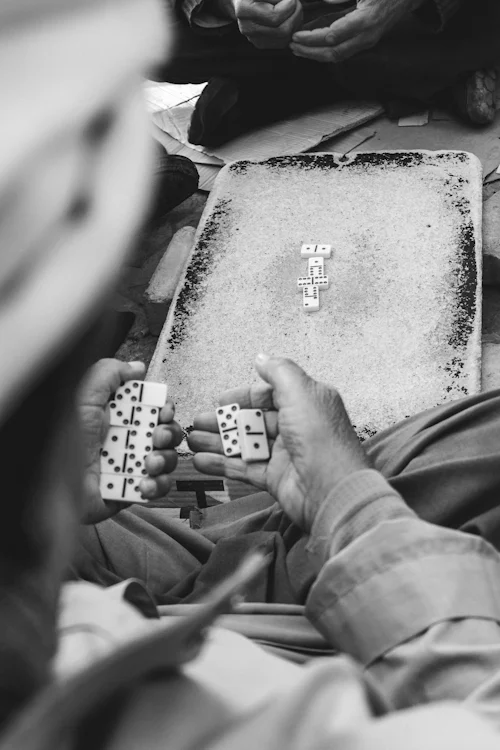
Moreover, luck can also be influenced by external factors that are beyond a player’s control. Despite the absence of skill, some players may enjoy streaks of good fortune simply by the nature of chance. However, relying solely on luck can be a double-edged sword, as it may foster reckless behavior in players who believe that they can consistently beat the odds. The unpredictable nature of luck is just one of the many aspects that make gambling both thrilling and perilous, reminding players of the fine line between enjoyment and risk.
The Role of Skill in Strategic Gambles
Skill-based games, such as poker and blackjack, illustrate the significant impact that knowledge, experience, and strategy can have on gambling success. Unlike purely luck-based games, these require players to understand the nuances of play, including probability, psychology, and risk management. A skilled player can make calculated decisions to improve their chances of winning, often turning the tide in their favor through strategic moves and bluffing tactics that demonstrate their mastery of the game.
For example, in poker, a player’s ability to read their opponents and understand betting patterns can be more vital than the initial hand dealt. Knowledge about probabilities can help players determine when to fold, call, or raise, transforming seemingly random hands into potential winning opportunities. This level of expertise highlights the importance of investing time in learning and practicing the game, as skill can significantly outweigh luck in the long run, leading to more consistent results for the player.
Furthermore, developing a skill set is crucial for those who wish to engage in competitive play. Many successful players spend years honing their craft, studying the intricacies of the game and constantly refining their strategies. The distinction between a novice and a seasoned gambler often lies in this dedication to skill development. Hence, while luck may play a role in individual outcomes, a commitment to learning and practicing can pave the way for greater consistency and success in the gambling landscape, ultimately elevating the overall gambling experience.
How Luck and Skill Interact in Gambling
The interaction between luck and skill in gambling creates a unique dynamic that is essential to understand for anyone seeking success in this field. While luck can deliver unexpected wins or losses, the decision-making processes driven by skill can shape the outcome over time. This intersection is observable in various games, where players who combine both elements often find themselves with an edge over their competition, leading to more favorable results.
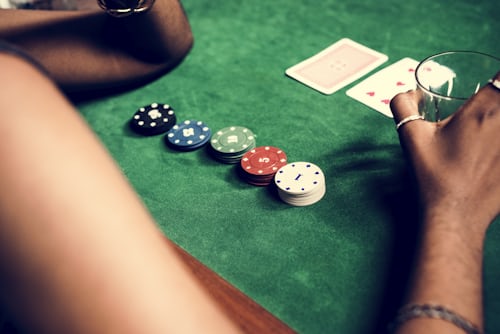
In poker, for instance, a player may be dealt a poor hand, but their ability to bluff or read their opponents can turn the situation around. Alternatively, a novice may receive a winning hand due to sheer luck but could quickly lose their winnings if they do not know how to play effectively. This highlights how the relationship between luck and skill can impact a player’s success—which means that those who rely solely on luck are often at a disadvantage in the long run, especially in more strategic games.
Additionally, the psychological aspect of gambling also plays a role in this interaction. Players who understand their strengths and weaknesses can make better choices based on their skills, enhancing their experience and outcomes. Recognizing how luck can favor or hinder them allows players to adjust their strategies accordingly, leading to more informed decisions. Thus, the interplay between luck and skill is a critical factor in understanding gambling success, as it shapes the way players approach their games and develop their techniques over time, ultimately influencing their overall performance.
Exploring Resources for Gambling Success
As gamblers seek to enhance their understanding of luck and skill, various resources can help improve their strategies and knowledge. Many websites offer tutorials, guides, and insights into different games, helping both novice and experienced players to learn and grow. By engaging with these resources, players can develop a deeper comprehension of their chosen games, allowing them to make informed decisions based on both luck and skill, thus enhancing their overall gambling experience.
Additionally, many online communities bring together gamblers from around the world, providing a platform for sharing experiences, techniques, and strategies. This exchange of knowledge fosters an environment where players can collaborate and learn from one another. Players who actively participate in these communities often find a wealth of information that enables them to refine their approach, whether through discussions, video tutorials, or written content that focuses on both luck and skill dynamics.
Furthermore, websites focusing on gambling education offer in-depth analyses of various games, exploring the balance of luck and skill in each context. By investing time in understanding these dynamics, players can improve their chances of success. Engaging with quality resources not only enhances the gambling experience but also equips players with the tools needed for long-term enjoyment and potential profitability in their gaming journeys, ultimately fostering a deeper appreciation for the intricate world of gambling.